Love Handles: Why They're the Last Fat to Go (3-Step Protocol)
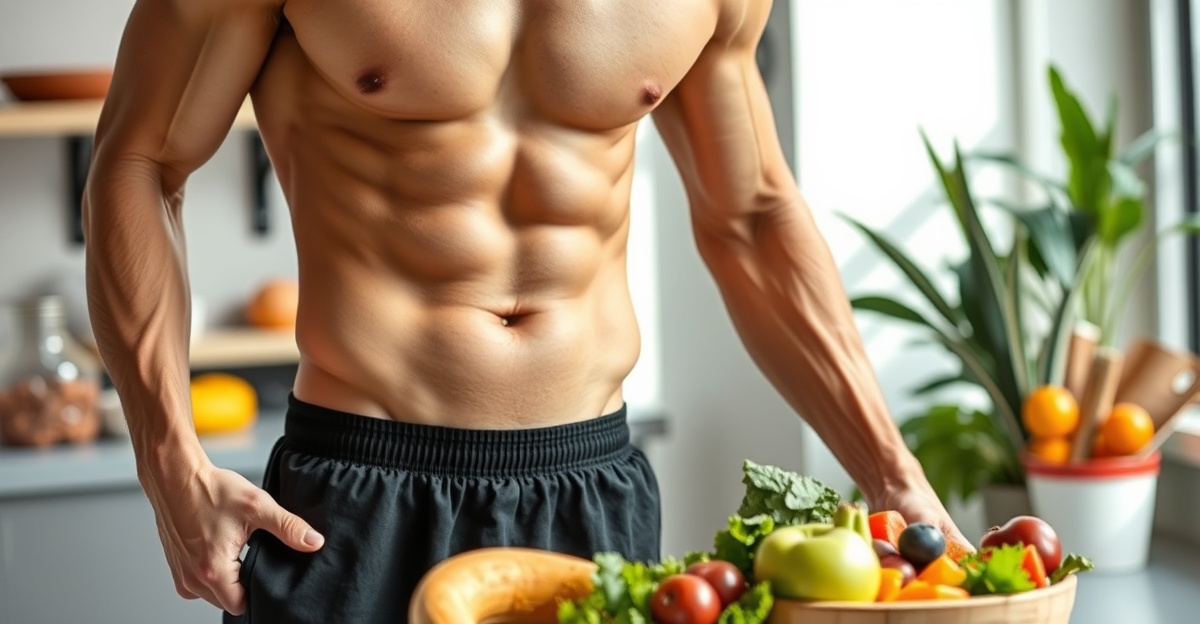
Why Love Handle Fat Is So Stubborn
Fat on your sides (over the obliques and lower back) is subcutaneous fat sitting right under the skin. Its stubbornness has a real biological explanation: fat cells have two types of surface receptors.
- Beta receptors act like a green light — they tell the fat cell to release stored fat for energy.
- Alpha receptors act like a red light — they tell the cell to hold onto the fat as reserve.
A 1987 study in the European Journal of Clinical Nutrition showed that different body regions have different ratios of these receptors. Arms and chest have more "green light" receptors, so fat there disappears relatively easily. The love handle area is loaded with "red light" alpha receptors, making it one of the most stubborn regions to lean out.
Practically, this means the body tends to lose fat in roughly the reverse order it gained it — love handles are often among the first to appear and the last to leave. In men, this area typically starts shrinking once body fat drops to around 10–15%; in women, around 18–24% (individual variation applies).
The Most Common Mistake: Spot Reduction Doesn't Exist
The biggest mistake is believing endless side crunches, oblique twists, or planks will burn fat locally. They won't. A thousand crunches won't melt a single gram of fat off your sides, just like a thousand bicep curls won't strip fat off your arms. The body loses fat systemically, based on genetics and hormones — not on which muscle you're currently training.
Step 1: A Smart Calorie Deficit
A deficit is necessary — but it needs to be one you can sustain for months, not days. The classic mistake is slashing intake to 1,200 calories, suffering, dropping weight fast, then quitting long before the body even reaches the love handle fat.
With an overly aggressive deficit, metabolism can slow by up to 40% as the body perceives starvation and starts conserving energy everywhere. If protein intake is also too low, the body starts burning muscle for fuel — destroying the very tissue that helps you burn fat.
What actually works:
- A moderate deficit of about 300 calories/day, maxing out at 500 calories/day.
- This pace yields roughly 0.5 kg (1 lb) of fat loss per week — slower than crash diets, but sustainable long enough for your body to actually reach the stubborn zones.
Macros, Specifically
- Protein: about 1.5 g per kg of body weight. It's more satiating, preserves muscle during a deficit, and its digestion burns 25–30% of its own calories (the thermic effect of food). Compare that to 5–10% for carbs and only 0–3% for fat.
- Fat: at least 50 g per day — necessary for normal hormone production, including testosterone in men.
- Carbs: fill the remaining calories — fuel for training, daily movement, and energy.
One more detail: love handle fat responds worse to insulin. Constant insulin spikes from sugar and ultra-processed food make it easier for the body to shuttle extra energy straight into the most stubborn fat stores. So concentrate most of your carbs around training, when muscles are actively using glucose, and minimize processed sweets and refined carbs.
Step 2: Strength Training
Cardio alone isn't enough. Strength training can boost metabolic rate by about 15% — each kilogram of muscle burns more energy at rest than fat tissue does. More importantly, during a calorie deficit, strength training is what preserves your muscle. Skip it, and most of the weight you lose will be muscle, not fat — leading to the "skinny fat" look: lighter on the scale, but still soft, with the love handles still very much present.
The concrete plan:
- 3–6 hard working sets per muscle group per week is enough to preserve muscle mass.
- Train at least 3 times a week; 4–5 sessions is optimal.
- Focus on heavy compound lifts that hit multiple muscle groups: leg press, bench press, dumbbell/machine presses, various rowing/pulldown movements.
- Working weight should be heavy enough that you're 1–2 reps from failure.
- Aim for small progress every session — a bit more weight, or at least one extra rep. This progressive overload is what keeps muscle both maintained and growing.
Should you train your obliques? Yes — but not for fat burning (again, spot reduction isn't real). Developing the muscle underneath the fat layer means once the fat comes off, you'll have a well-defined waistline. Important caveat: don't overdo oblique volume. Excessive oblique training can actually widen your waist visually, turning a nice V-taper into a more rectangular silhouette. Good choices: cable crunches and hanging leg raises (including angled variations).
Step 3: Cardio and Daily Steps
An interesting fact: strength training burns roughly 3–5 calories/minute, while regular walking or light cardio burns 5–10 calories/minute depending on intensity. So in terms of raw energy expenditure, cardio can actually be more efficient — but that doesn't mean hours of grinding cardio to exhaustion.
A practical step-count plan:
- Start by simply counting your steps. The average person walks around 5,000 steps a day.
- Add 2,000 steps on top of your current daily average.
- Once your body adapts, add another 1,000 steps.
- Gradually work up to 10,000 steps per day.
- To speed things up, aim for 12,000–15,000 steps.
If hitting your step count is hard, consider a compact home treadmill — you can walk while watching TV, on calls, or working at your desk.
3 Hidden Factors Almost Nobody Talks About
1. Blood Circulation
Touch your love handle area — it's likely a bit cooler than the rest of your body. That's because circulation there is weaker. Even once a fat cell starts releasing fat, it has a harder time getting into the bloodstream to be used as energy. Fix: spend 10–15 minutes on a light warm-up before your main cardio session (easy walking, light cycling, or dynamic stretching) to boost blood flow to the area. Fasted cardio can also help, since lower insulin levels make it easier to mobilize stubborn fat stores.
2. Stress and Cortisol
Chronically elevated cortisol pushes the body to store fat preferentially around the belly and waist. Common causes include poor sleep, chronic work stress, and ongoing tension. Even with perfect nutrition, high cortisol can seriously slow down love handle fat loss.
The fix: quality sleep, 7–8 hours a night. Try the 10-3-2-1 rule:
- No caffeine 10 hours before bed.
- No food 3 hours before bed.
- No liquids 2 hours before bed (to avoid night-time bathroom trips).
- No screens (phone, computer, tablet) 1 hour before bed — instead, use that hour for meditation, journaling, or a calm walk.
3. Alcohol
When you drink, your body switches almost entirely to metabolizing the alcohol and puts fat burning on hold — alcohol is a toxin your system prioritizes clearing. In men, alcohol also lowers testosterone while raising estradiol, creating conditions that favor fat storage. This doesn't mean total abstinence, but if losing love handle fat is your goal, cutting alcohol significantly for 60–90 days makes a real difference. Even 2–3 drinks a week can noticeably slow progress in the most stubborn zones.
For dedicated cardio sessions, 2–3 per week is enough, ideally low-to-moderate intensity — walking, cycling, incline walking on a treadmill. The key is picking something you'll actually do consistently.
What to Do When the Scale Stalls
If your weight doesn't budge for 2–3 weeks, that's normal — the body adapts (metabolism slows slightly, and you unconsciously move less). Don't panic. Make a small adjustment:
- Cut 100–150 calories from your daily intake, or
- Add extra activity — about 2,000 more steps a day, or one additional ~30-minute cardio session.
After adjusting, give it another 7–14 days before making further changes.
Realistic Expectations
A realistic pace is about 0.5 kg of fat loss per week. If you're currently at 25% body fat and aiming for 15%, expect roughly 10–15 weeks. Starting at 30% and aiming for 12% will take about 18–20 weeks. Love handles are almost always the last fat to go — which is exactly why a lean physique commands respect: it can't be rushed in a couple of weeks, only earned through months, sometimes years, of consistent work.
This article is for general information only and is not medical advice. If you have health concerns, please consult a qualified professional.
If you'd like a personalized training and nutrition plan with ongoing guidance, you can get one along with an AI coach in the AI Treneris app (aitreneris.lt).